Retroid Pocket Nova review: a 4:3 handheld done right
The PS Vita faces real competition in my backpack

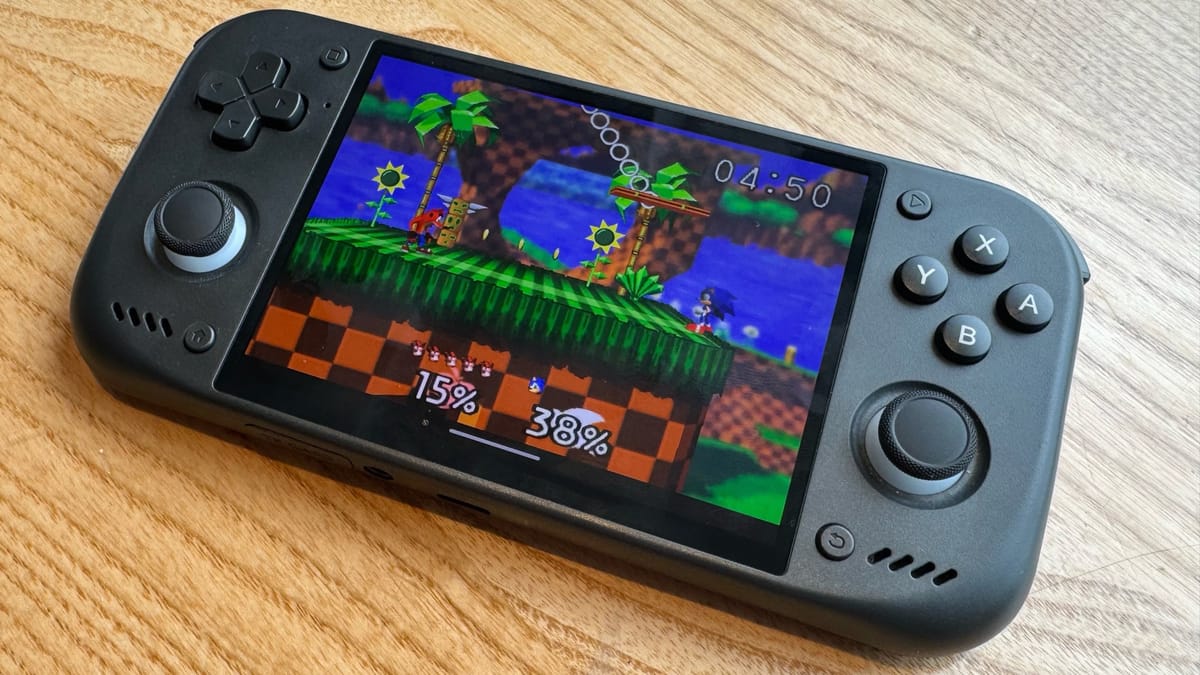
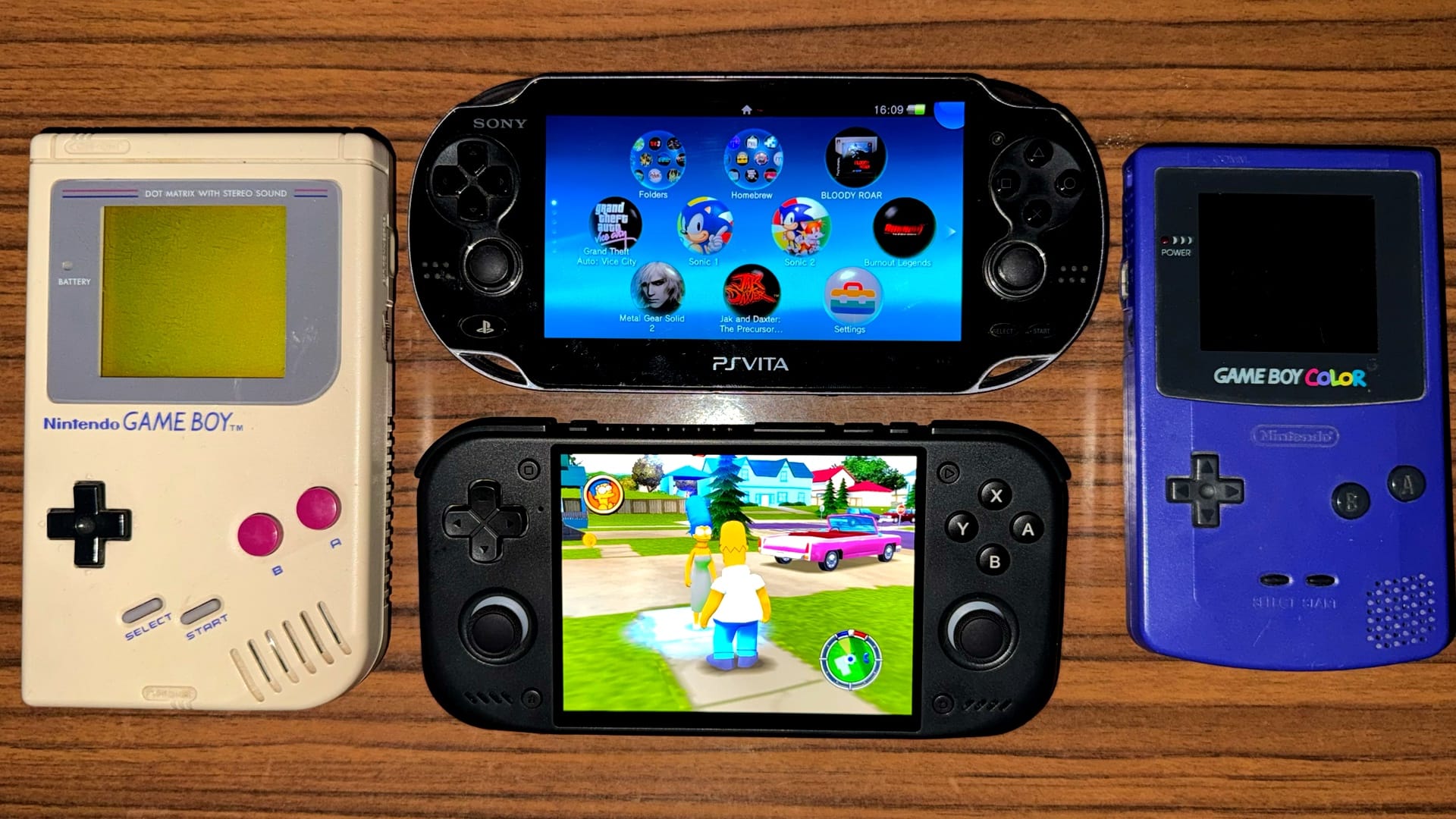
The Retroid Pocket Nova was a dilemma for me after using it for several weeks. The dilemma? Where else my PS Vita could fit into my backpack from now on, as the Nova would now also be a permanent fixture.
The latest handheld by Retroid answers something that its users have been asking for - give us a handheld as powerful as the Pocket, but with a 4:3 display. That's what the Retroid Pocket Nova essentially is - something that's focused on games with a square display that's pre-2006. For years, I've been used to this, having used a bunch of emulated titles on my PS Vita, with thick black bars on either side as I played away.
However, after putting the Nova through its paces, I've come to realise that it's one of the best handhelds I've ever used, and it's mostly down to its incredible 4:3 display.
Specs
| Specs | Retroid Pocket Nova |
|---|---|
| Processor | Qualcomm QCS8550 |
| CPU | 1× Kryo Prime @3.2GHz, 4× Kryo Gold @2.8GHz, 3× Kryo Silver @2.0GHz |
| GPU | Adreno 740 @680MHz |
| RAM | LPDDR5x, 8GB or 12GB |
| Storage | UFS 3.1 128GB + microSD slot |
| Screen | 4.5-inch AMOLED, 960p @120Hz |
| Battery | 5000mAh |
| Cooling | Active Fan |
| Triggers | Analogue L2/R2 |
| Sticks | 3D hall |
| OS | Android 13 |
| Connectivity | Wi-Fi 7, Bluetooth 5.3 |
Design
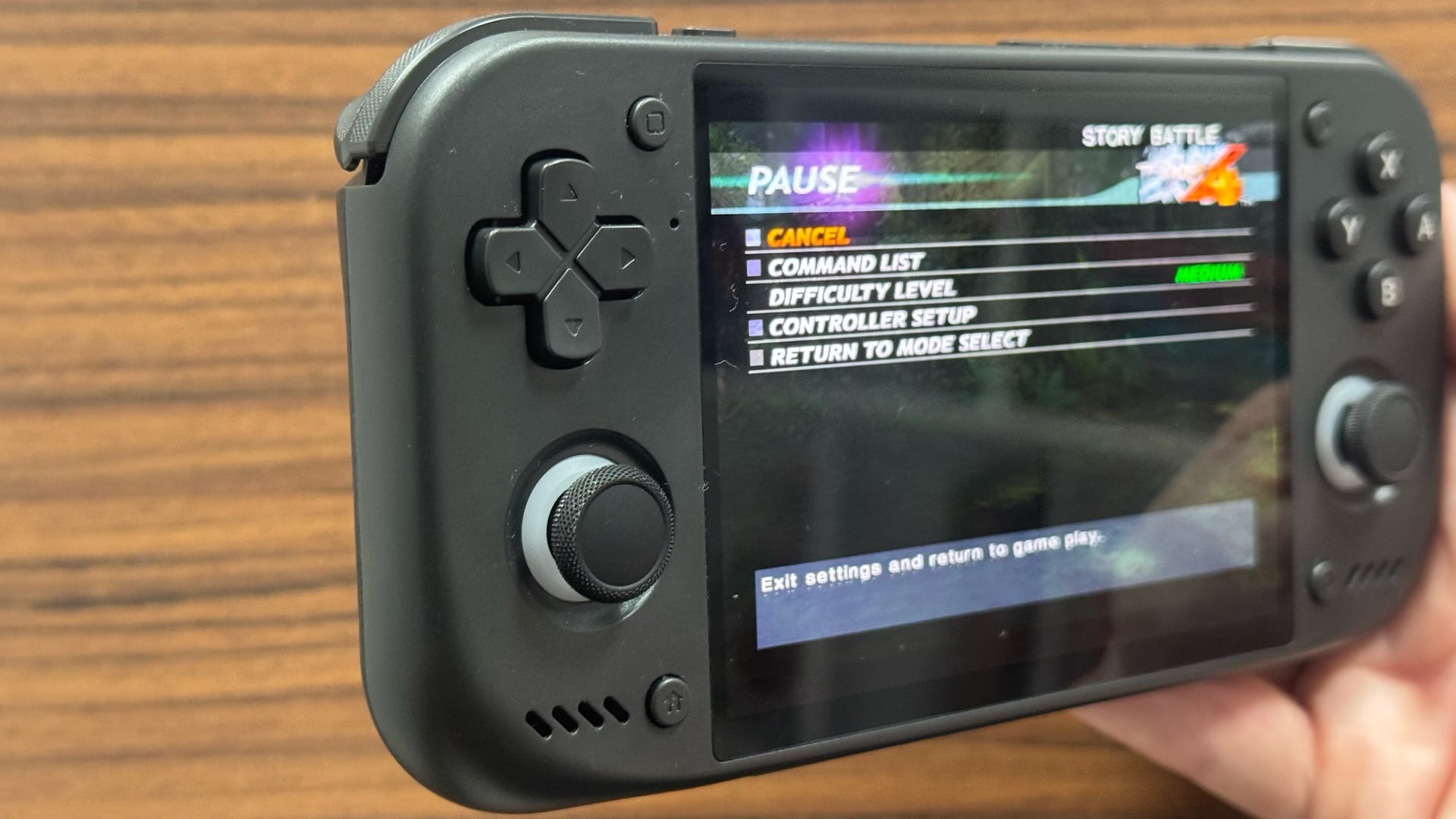
Starting at $239 / £239 for the 8GB / 128GB model or $269 / £269 for the 12GB / 128GB model with a choice of seven colors, what hits you first is how comfortable the Retroid Pocket Nova is to hold. I was sent the black model, which works great with the 4.5-inch AMOLED 120Hz screen, as the bezel is harder to spot.
The display is fantastic - colors pop, blacks are black, and the 120 frames per second makes everything feel smooth, even when you're in some emulator menus. There was no noticeable ghosting, and its 500 nits of brightness made everything sharp and pop. Of course, the games from past eras don't run at 120 FPS unless you force them to, so you won't notice much in this regard, but everything else puts it in its favour.
You can swap the Nova's backplates if you wish to one of six, so the back can have a nice contrast to the colour you picked for the handheld. It's a nice touch, but considering your palms'll mostly cover it, it feels pointless.
If you need a grip for a better fit, Retroid offers one. I wasn't sent one, but I am considering one, just for those long playthroughs of games like Final Fantasy VIII or Dragon Ball: The Legacy of Goku II.
Setting up the Nova was simple enough, thanks to a guide as soon as you switch it on. You're brought to a launcher made by Retroid, which shows everything installed in an easy view, and if you know where to go, installing emulators followed by moving games over by FTP or a wired method has you set up within a half hour.
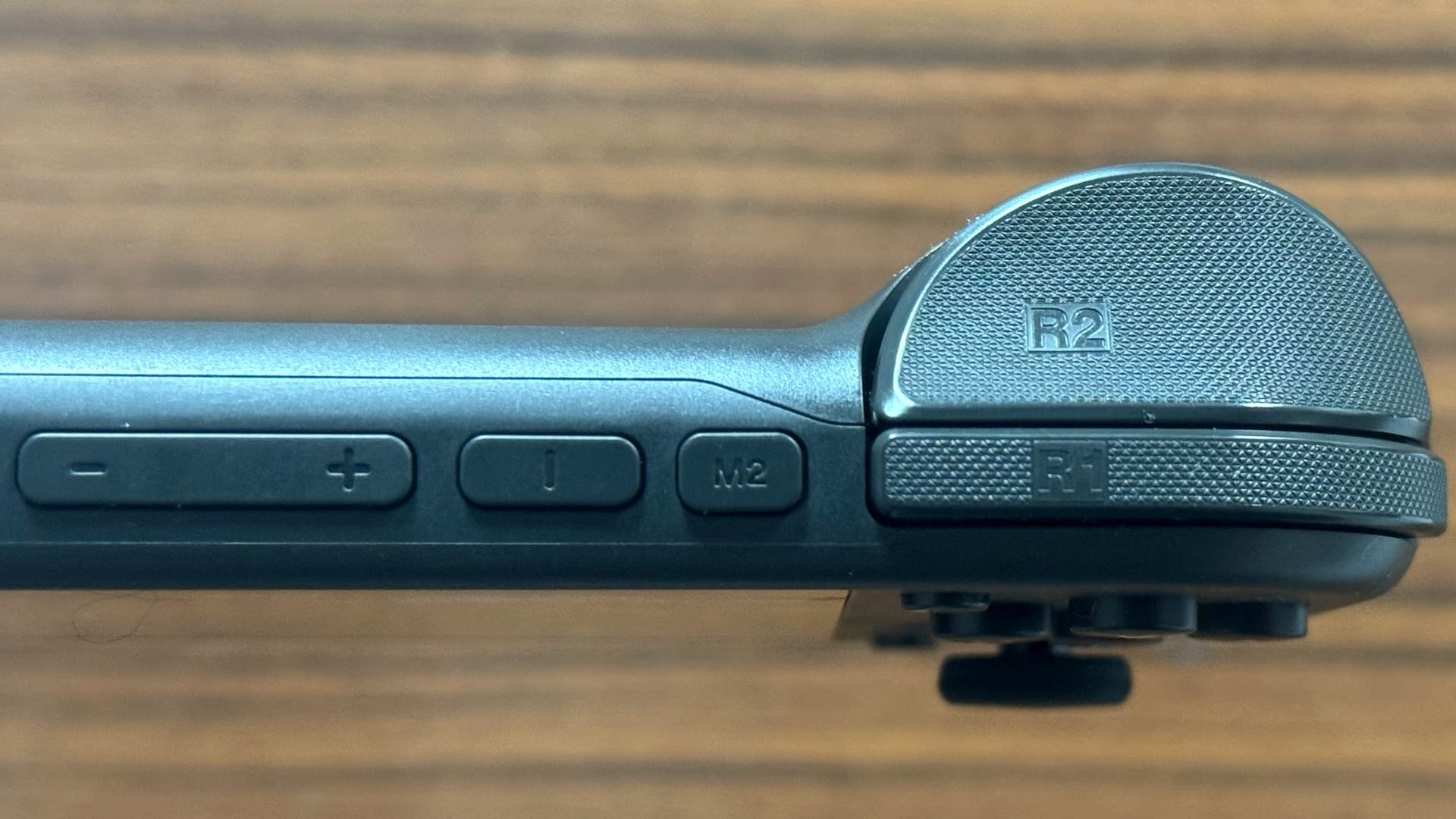
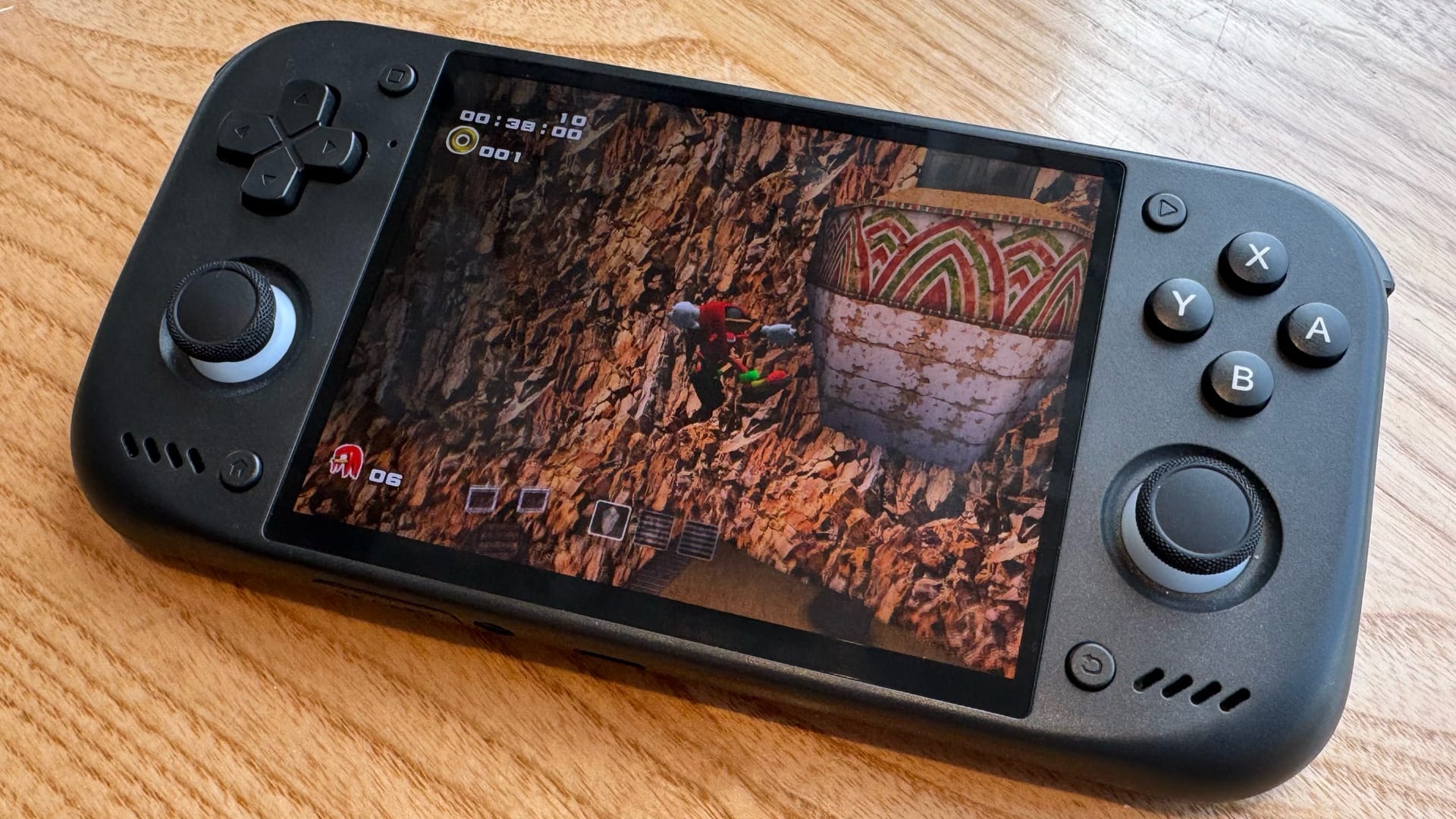
I was worried that the Nova's size would make it a challenge to use the analog hall sticks for games like Sonic Adventure and Ape Escape, but there was no issue. It still felt comfortable to hold, especially thanks to the analog shoulder buttons of L2 and R2. Every other button feels solid and clicky - never cheap, never giving you the feeling that a press won't register. Even the extra M1 and M2 buttons are well-placed to be used as shortcuts for taking screenshots or loading up a menu.
The D-pad is also one to praise. It feels like an improved take on the PS Vita, which I didn't expect. Testing it with games like Star Gladiator, Street Fighter II, and Tekken Tag, everything worked as it should, and no move or combo felt unnatural with my thumb.
Power
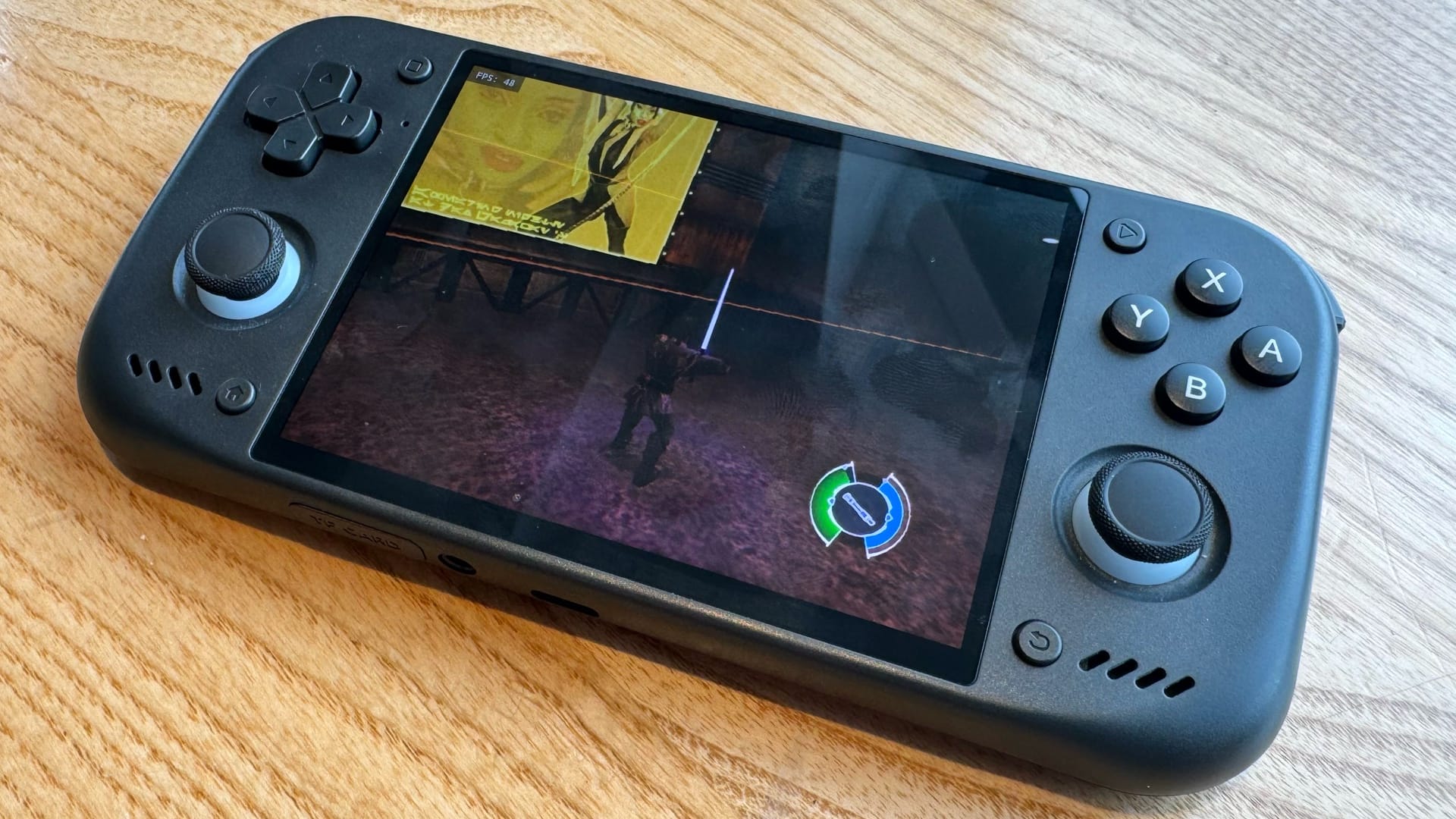
There's no question that the Nova is a powerful handheld. Its graphics chip is an Adreno 740@680MHz, which means it can easily run games from before the PlayStation 3 and Xbox 360 era. But with these consoles running games in widescreen, you'd get a lesser experience anyway due to the 4:3 screen.
So I tried plenty of games from my era - from the Nintendo Game Boy up to the Nintendo Wii - and every single game played perfectly. Even HakuX, a relatively new Xbox emulator, ran Dead or Alive 3 and Star Wars: Obi-Wan very well, even though there were some crashes, but I suspect that's down to the emulator's current early-state. Demanding games, like Star Wars: Rogue Squadron III: Rebel Strike on the GameCube, had the occasional stutter, but a few tweaks to adjust frame skipping and some graphics made it run fine on most levels.
I barely heard the fan. When I tripled the display rendering resolution in the PS2 and GameCube emulators, making some games far sharper, I could slightly feel it with my fingers, but it didn't get in the way of playing anything.
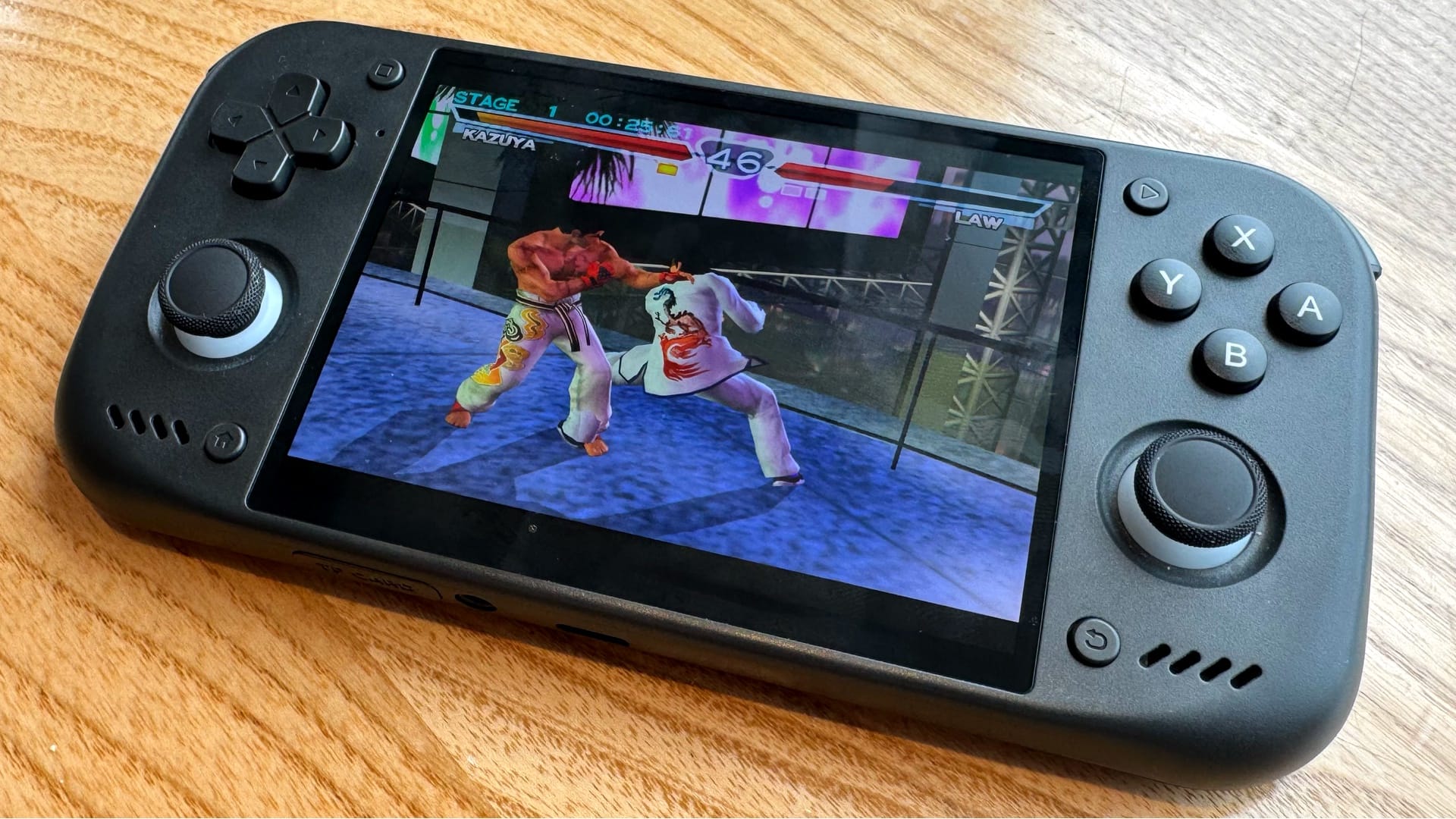
The speakers can be loud. The sound was crisp, and there was never any lag, except when I tried to connect the Pi8 earbuds, but that's an issue with how Android handles Bluetooth - the sooner Google fixes this, the better.
The 128GB storage is great too - everything loaded quickly, and Retroid's Launcher made it easy to install and manage the emulators. The 5000mAh battery is another aspect that impressed me - I'd usually get five hours in one charge, but when it came to using it for the odd hour every couple of days, the Nova didn't run down massively. I could put it on standby while a game was running at 80%, and a few days later it would be at 76% - but better ways to manage this would be welcome, especially for moments when a plug-socket is hard to find.
Conclusion
Overall, the Retroid Pocket Nova does what it says, and does it very well. Every game I tried pre-PlayStation 3 had almost no issues, and when there were, it was down to the early state of some emulators. Design-wise, the Nova feels great to use and hold, especially during those intense moments in a difficult match.
Regardless of the pointless feature of swappable backplates, the Nova is one of the best gaming handhelds you can buy today. It's compact thanks to the 4:3 display, which is sharp, bright, and vibrant for any game you play on it.
When you consider the Nova's price, it easily sits beside Retroid's own Pocket 5 and its other handhelds. But for rivals like AYANEO and AYN, the Nova is still an affordable, powerful device.
But who isn't it for? Perhaps someone who prefers a bigger, wider screen, or where the left analog stick and the D-pad are the other way round, which makes it easier for their hands. But it's a low bar when you're looking for a great way to play your favourite childhood games all over again.
Sometimes, you use something that makes you think, 'we're here now, there's no more that can be done'. I felt that with the PS Vita, and I feel it with the Nova. A quick browse on the Retroid subreddit seems to share my thoughts: that for a 4:3 retro gaming handheld, you don't need anything bigger and more powerful than what the Nova offers.
It's simply one of the best handhelds you can buy for yourself or as a gift. For $239 / £239 for the 8GB / 128GB model to start with, it's worth the money if you want something to play your nostalgic games from back in the day. After years of bringing out handhelds that just missed the mark or had design quirks that made them a lesser experience, like the Pocket 3 and Classic, Retroid has finally achieved a home run with the Nova.
| Category | Rating |
|---|---|
| Design | 5/5 |
| Power | 5/5 |
| Battery | 4.5/5 |
| Overall | 4.5/5 |