Castlevania: Belmont's Curse impressions and interview
"We put some twists in the boss fights. You haven't seen that yet, but it's cool."

Castlevania: Belmont's Curse surprised me when I got to play it at Gamescom, thanks to an invite from Konami. Seeing as the series has essentially been dormant, like Dracula's sleep, with no new main-line 2D entry since 2008 with Castlevania: Order of Ecclesia, fans were wondering what Konami was doing with the series.
However, with Belmont's Curse developed by Evil Empire, known for helping co-develop Dead Cells, it seemed like a natural fit to take on the next Castlevania entry. During my Gamescom playthrough, I'm convinced it's got the potential to be 2026's Game of the Year once it's out on October 15.
Belmont's Curse Impressions
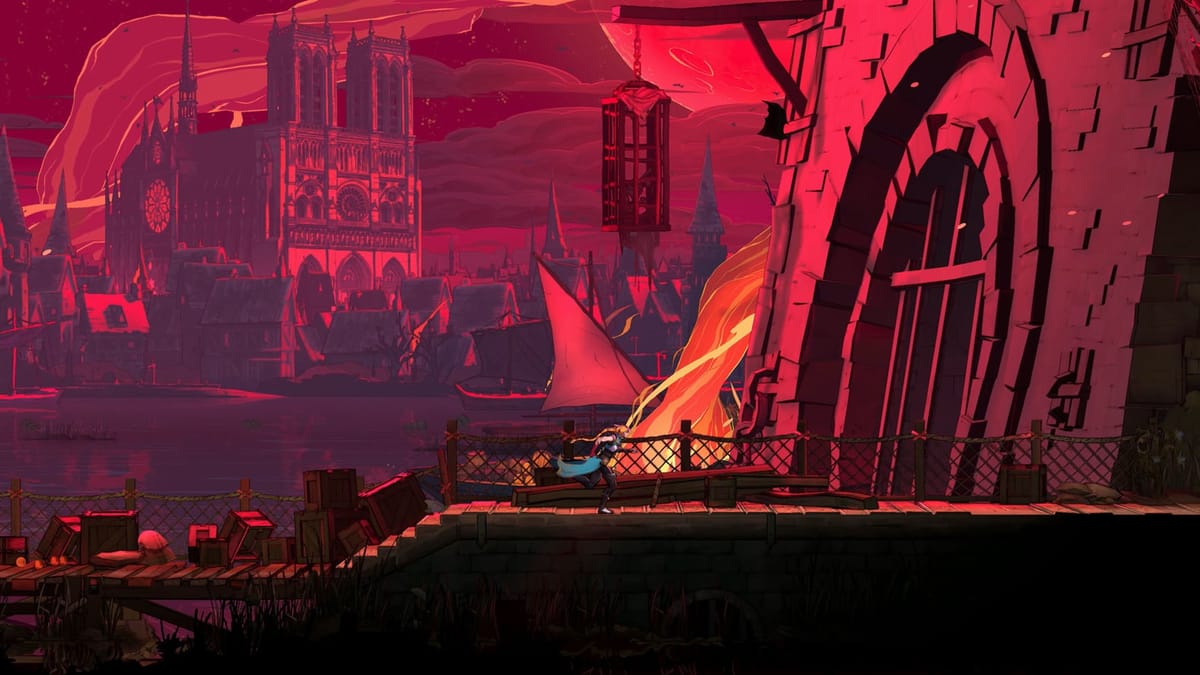
The first thing that hits you once Belmont's Curse starts is its hand-drawn art style. It reminded me of 2003's The Legend of Zelda: The Wind Waker. It looks fantastic, especially with the 1499 Paris setting as Notre Dame burns in the background at the start of the game. Flames and smoke fly around, and as you get to explore the depths of the underground as well as the tops of towers, facing bosses and more, everything feels fresh and makes you want to progress further.
Playing as Rose, the daughter of Trevor Belmont, you must make your way through the gothic landscape, fighting enemies and bosses to help build up your skills to face 'The Fallen', a mysterious monster.
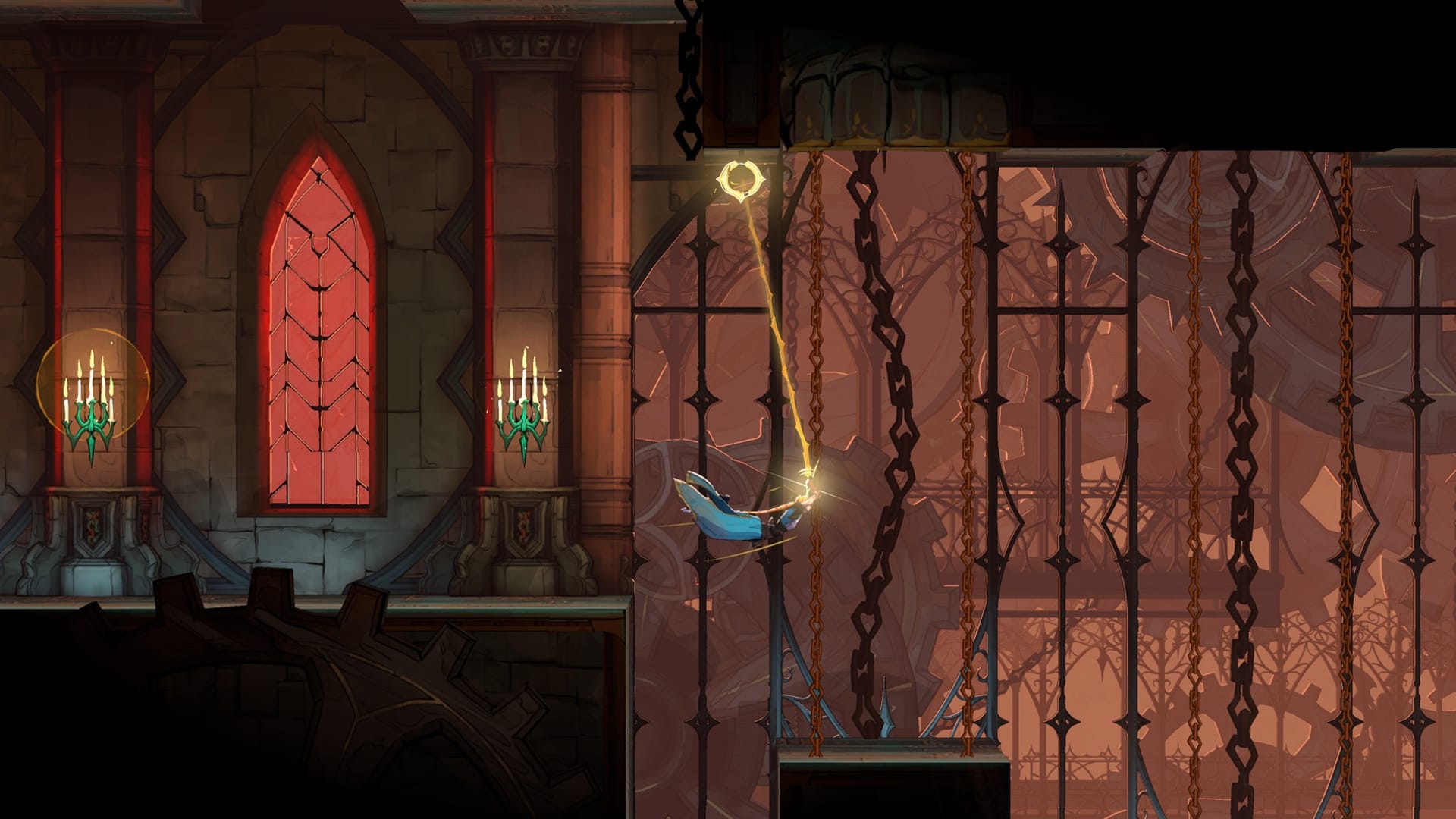
During my time with Belmont's Curse, I was struck by how good it felt to play. At first, you start with a sword that can hack and slash the enemies on your way, but eventually you gain a whip that can bring some closer to you, letting you access other areas. But there are magic attacks called Arcana that can let you annihilate several enemies at once. These were a lot of fun to do, and as you face certain bosses, your powers grow even more.
With Castlevania celebrating its 40th anniversary this year, Belmont's Curse feels like the perfect game to highlight the series' past from its NES and PS1 eras, but also to showcase what the future of the series can look like. Admittedly, Belmont's Curse had flown under my radar until my playthrough - now it's on pre-order, as I want to see which boss is next after facing Joan of Arc.
A 2026 Symphony
An unexpected moment happened in my one-hour playthrough of Belmont's Curse. At the half-hour mark, I was asked if I wanted to speak to Lead Designer Sandro Bordier and Marketing Director Bérenger Dupré from Evil Empire, as well as Tsutomu Taniguchi, producer at Konami, who was with liaison Hannah Hurst to help with translating. Of course, I gladly obliged, and it turned into a fantastic chat about not only the game, but the series too.
Take me back to when discussions began for Belmont's Curse.
Sandro Bordier: It began at BitSummit; I don't remember which year, but we were still working on Dead Cells, looking for a publisher to make a retail release. So we talked to Konami, and at some point we were confident enough to kindly ask if it was possible to consider having a skin, or a whip, from Castlevania. And they said, "Sure, why not? Come back with a pitch".
After a few weeks, back in France, we came back with a DLC pitch, and if I'm correct, Konami's answer was like, "We were actually expecting you to ask for that!" And then we were even more confident to see if a new Castlevania could also be considered. And they said, "We were also waiting for you to ask for that."
Was it always the initial plan to be inspired by Symphony of the Night and some other Castlevania entries as well?
Bérenger Dupré: Yeah. When we started discussing the project, it was very clear that it was going to be an action exploration game first and foremost, and this hasn't changed. It was more about finding the angle based on what we considered would be the best approach to modernise the IP on Konami's end. When they went to see us, it was because of our expertise with the action genre and gameplay.
And so we approached the problem by proposing to have gameplay that focuses on the whip, which is the most iconic thing about the Belmont family. So we wanted to have a whip, but interconnected with the traversal, with the combat, and with exploration, which you tried in the demo.
After deciding that this would be the most important gameplay pillar, we thought of the theme and where it could fit in the timeline. And after many considerations on our end, it was the legacy of being a Belmont we decided on: having players live the moment where you have the passing of the whip from one Belmont to another.
And based on the numerous different games like Trevor and Sypha, which we know is a power couple in the IP, it made sense that we could do a follow-up to that and make a sort of Dracula's Curse sequel. And that's how the basic pitch went, and after that was also the decision to have Paris as sort of a co-star.
The art style reminds me of Zelda in a sense, such as Wind Waker, but also the red, with the Blood Moon from Breath of the Wild. Were there any other inspirations you had from other games?
Bordier: So most of the time, the inspirations were Castlevania. Because the series has been so rich, you can dip into it to find what you think is cool, what speaks to you, and then you can reappropriate it to yourself in a modern way. And so not only was Dracula's Curse a reference to the story, because we wanted to make a sequel of that story, but also its graphics. When you look at it, it's very colourful.
When you also look at what we know how to do at Evil Empire, it's this very fast-paced, moment-to-moment, impactful gameplay, action gameplay. And as soon as we wanted to have this crazy whip feature, and the fact that Rose can whip around from one place to another on the screen, it has to be readable. So having colours that are striking like that, very vivid, helps a lot with the readability of the combat and the movement that you have.
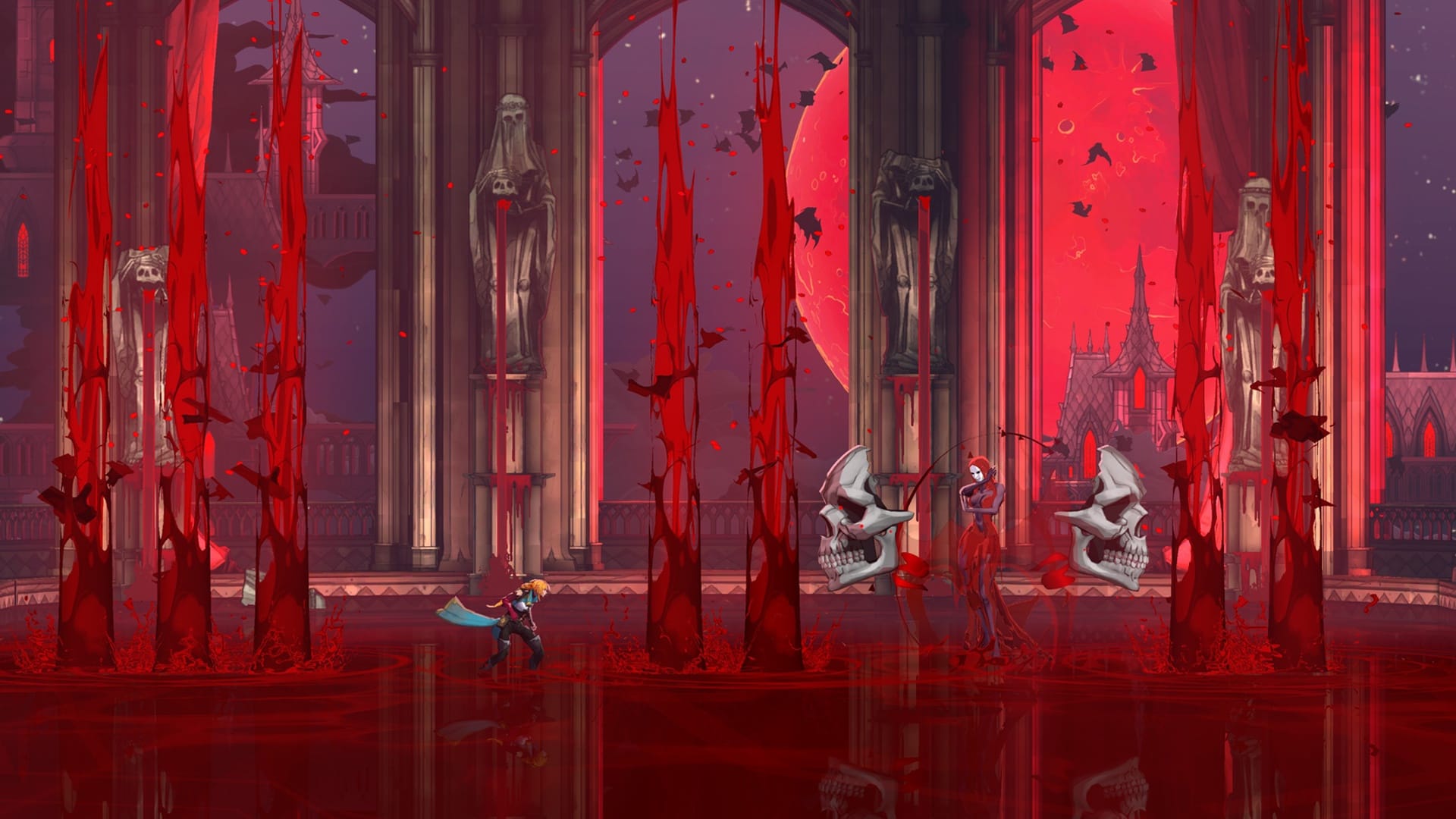
Also, having colours but still making a gothic horror game is quite a challenge. It turned out that some of our artists are really into Italian horror movies. They tend to have very intense red colors. So yes, it's colourful, but it's spooky. And it fits with the whole story, and the fact that somehow the castle in Castlevania is always magical and spooky in a weird way. So these strong colours help to tell that story as well.
(Producer Tsutomu Taniguchi joins us)
The guys had just said to me that they wanted to maybe use Castlevania for Dead Cells as DLC, but it turned into their own pitch for a new game in the series. Were you already looking for a developer to make the next Castlevania? Or was it more a case of good timing?
Tsutomu Taniguchi: So it's not like we were frantically looking for an [external] developer. When we thought about creating the next Castlevania title, we really wanted to go back to basics, which is the 2D action and exploration type of game. And something that we really wanted to convey was the playability, the feel-good sensation of playing a game, a game that they were very good at making. And we thought, okay, well, we'd love to work with them. So it's not like we intentionally went for an external developer; we just so happened to find something that kind of fit the puzzle.
With your own history with the Castlevania franchise, were there any set rules, maybe with the brand or a design philosophy, that the team had to try and follow during development?
Taniguchi: So there are only two things that we must have to make a Castlevania. So Castlevania is actually Akumajō Dracula in Japanese, which means Castle Dracula. And so these two things have to be included. So really, we need those two things and the protagonist to go and fight, defeat, or explore the castle. So I guess those three things are a must. Apart from that, the narrative, how you want to take the story, how you want to be the protagonist and go on their own exploration and adventures, is very case by case. And we were very happy to discuss things with them, and that's how the game came to be.
Dupré: I think the word "rule" is a bit too strong. I personally prefer to see them as codes. There are codes in Castlevania. Actually, it reminds me of a good anecdote, because when you (Taniguchi) first came to Bordeaux, you talked about the pillars of the Castlevania IP. And the biggest thing that stood out to us was the fact that it was a character game, first and foremost.
You've got Alucard, you've got Trevor, you've got Soma, you've got Jonathan. Every character has its own gameplay and subset of actions. And so it was really important, when we collaborated and designed the game, it was really first and foremost about finding who the characters are, and then everything should come from that choice. If you find the character, you find the story, you find the game. So I think that's one rule, or at least pillar, we connected ourselves to and iterated as much as possible upon.
Another aspect in Castlevania that people love is the bosses. What was your process of looking at bosses for the Belmont's Curse, considering there have been about 15 to 20 Castlevania games with different bosses? What did you draw from them, especially when you drew from France as well and its history?
Dupré: Exactly that. Well, it was a huge process, actually. On one hand, there were the Castlevania characters, which we brought back. We wanted to really understand them, and we had a lot of help from Konami to really nail how these characters should be, a bit like for Rose. Then from that identity, we created fights.
But for the French history characters, like the new guys in the world, what's funny is that we sort of were a bit shy at first about proposing new characters like that. We were like, okay, we've got this cool historical figure, and usually French people don't touch that kind of thing because it's so iconic, but what about doing a boss? We were like, sure, but at first we were shy, so it was a simple, like, warrior. And Konami were like, no, no, let's make it like a burning badass knight, like a shōnen fight!
Bordier: It was a bit about taking our history and twisting it in a cooler way, almost, to have it at the level of what Castlevania is. If I may add something regarding what they did with the boss fights, it might sound immodest, but I think we have quite good experience thanks to Dead Cells, and even the Return to Castlevania DLC, in making the boss fights.
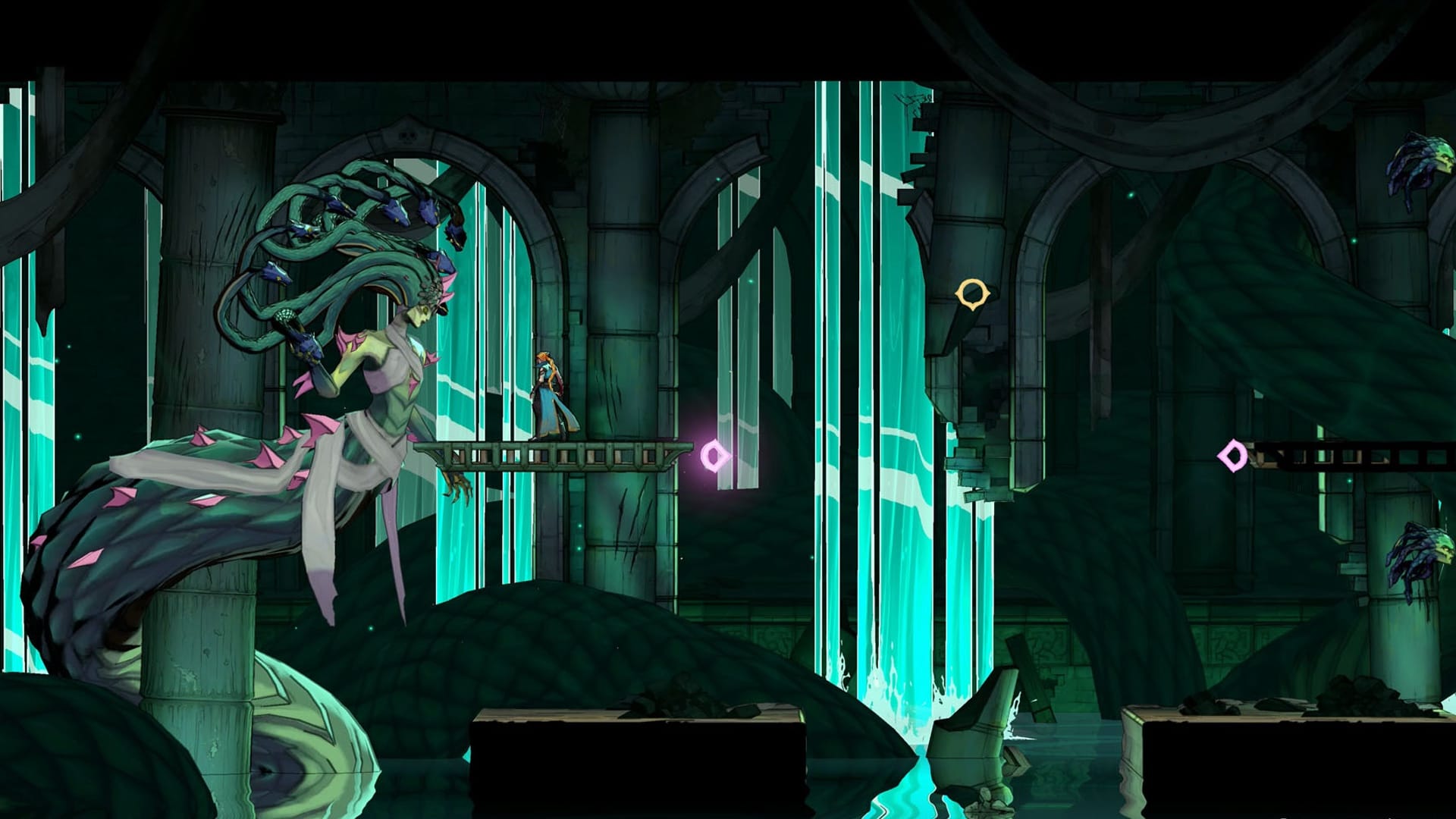
But in this game, they also managed to make something with how you reach the boss. And there is this hunt system where you have to find your way in Paris or in the castle to find the boss you actually want to defeat to find the Arcana powers. So it makes the combat even more epic, because you have a specific story to find your way to it. And I don't want to spoil, but they've been quite surprising, and they put some twists in the boss fights. You haven't seen that yet, but it's cool.
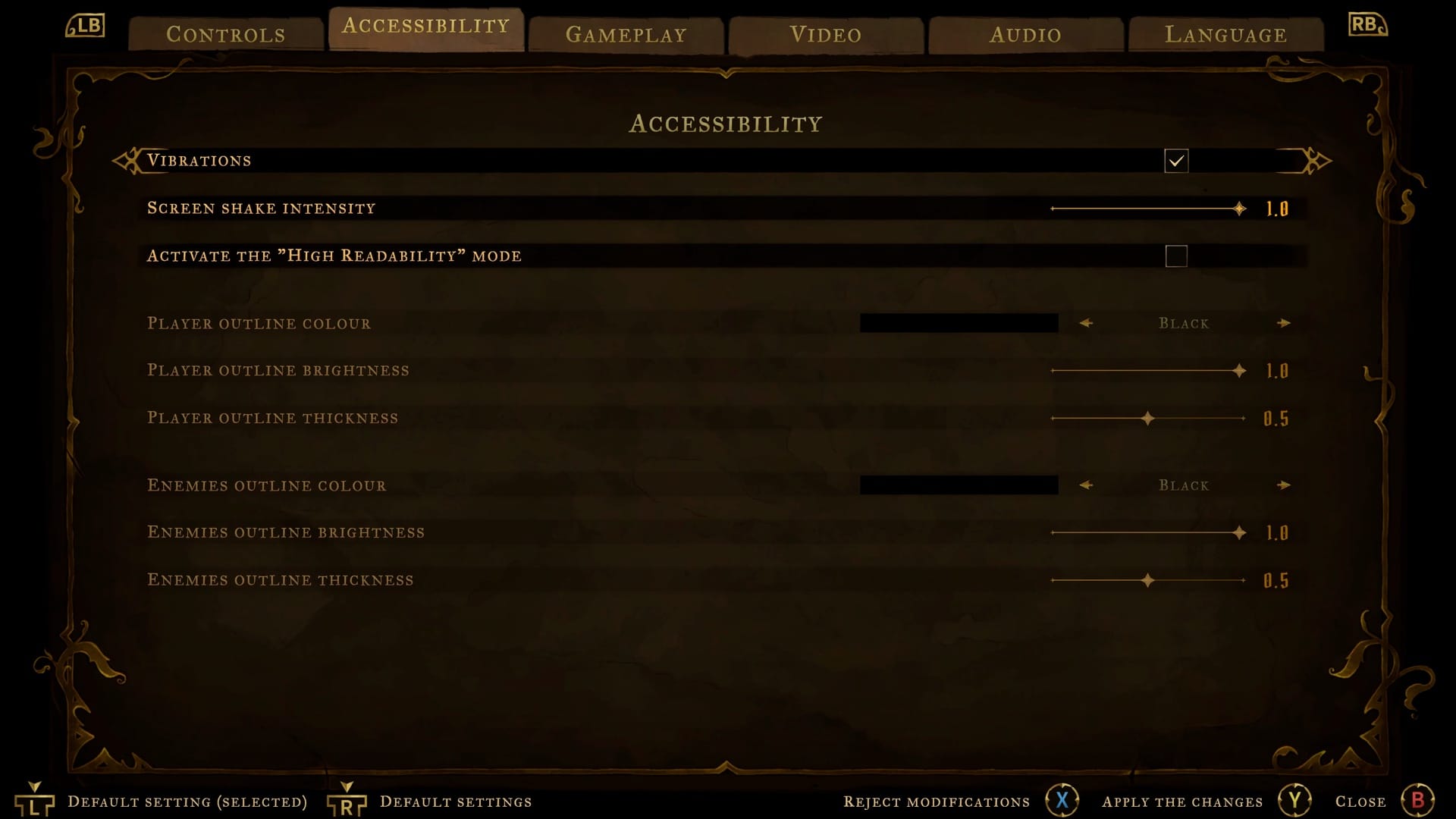
I was looking through the accessibility options, and there are some great ones available - perhaps for players who are new to the series. Was that perhaps deliberate, to use these options to help introduce new players, but also help existing ones who might be a bit rusty after a few years?
Bordier: I have a take on accessibility features - people think it's for newcomers, but I think it's for old people like me while playtesting!
Taniguchi: We really wanted newcomers and also older fans, as you might have touched upon, to have a little bit more accessibility and ease of play, so that even people who aren't used to action games can try again and again until they defeat the bosses. There are level-up systems, weapons, you can choose your own playstyle, RPG elements where basically the more you play, the better you will become. So we try to include as many options as possible to make it accessible for everyone.
Dupré: To add to what Taniguchi-san said, the baseline game is really challenging, because that's what people remember of Castlevania. It's like, wow, that's hard. But the newcomers can also experience the good stuff we have to offer. So you can tweak the game to fit your skill level. And then if you want to try the game as it's designed at first, you can always come back to it, no pressure. Feel free to experience the game however you want.
As we're approaching Belmont's Curse release, it definitely feels like a return to form for the 2D side of Castlevania. With Konami looking at remakes of titles from Silent Hill and Metal Gear Solid, has there been any discussion or possibility of a Symphony of the Night revisit, perhaps in this kind of art style?
Dupré: (Silence)
Bordier: (Silence)
Taniguchi via Hannah Hurst: I don't know if you could tell from his expression that he's saying "great question," but he's also saying I'm just so tired and taken aback from creating this title, I can't think of anything else right now.
My thanks to Swipe Right PR and Konami for arranging this playthrough and interview.
Castlevania: Belmont's Curse is out on October 15 for Nintendo Switch 1/2, PlayStation 5, Xbox Series S/X, and PC.