WipEout at 31: Psygnosis PR head Glen O'Connell looks back
"I hope one day WipEout returns in a form worthy of its legacy."

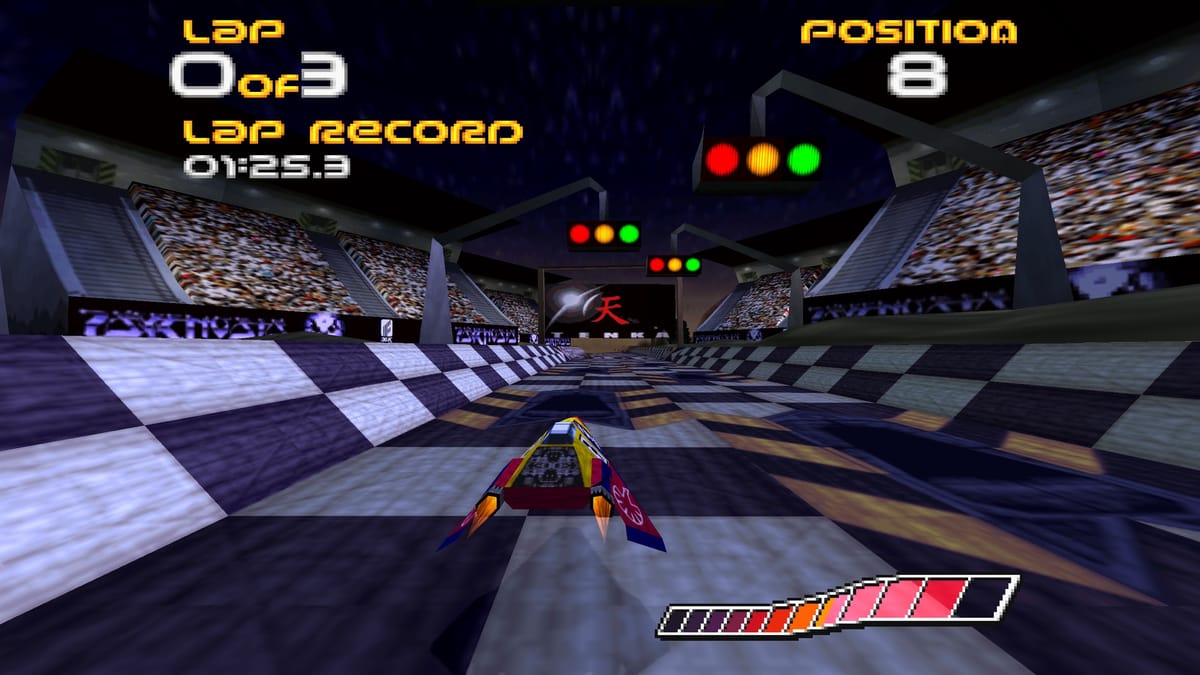
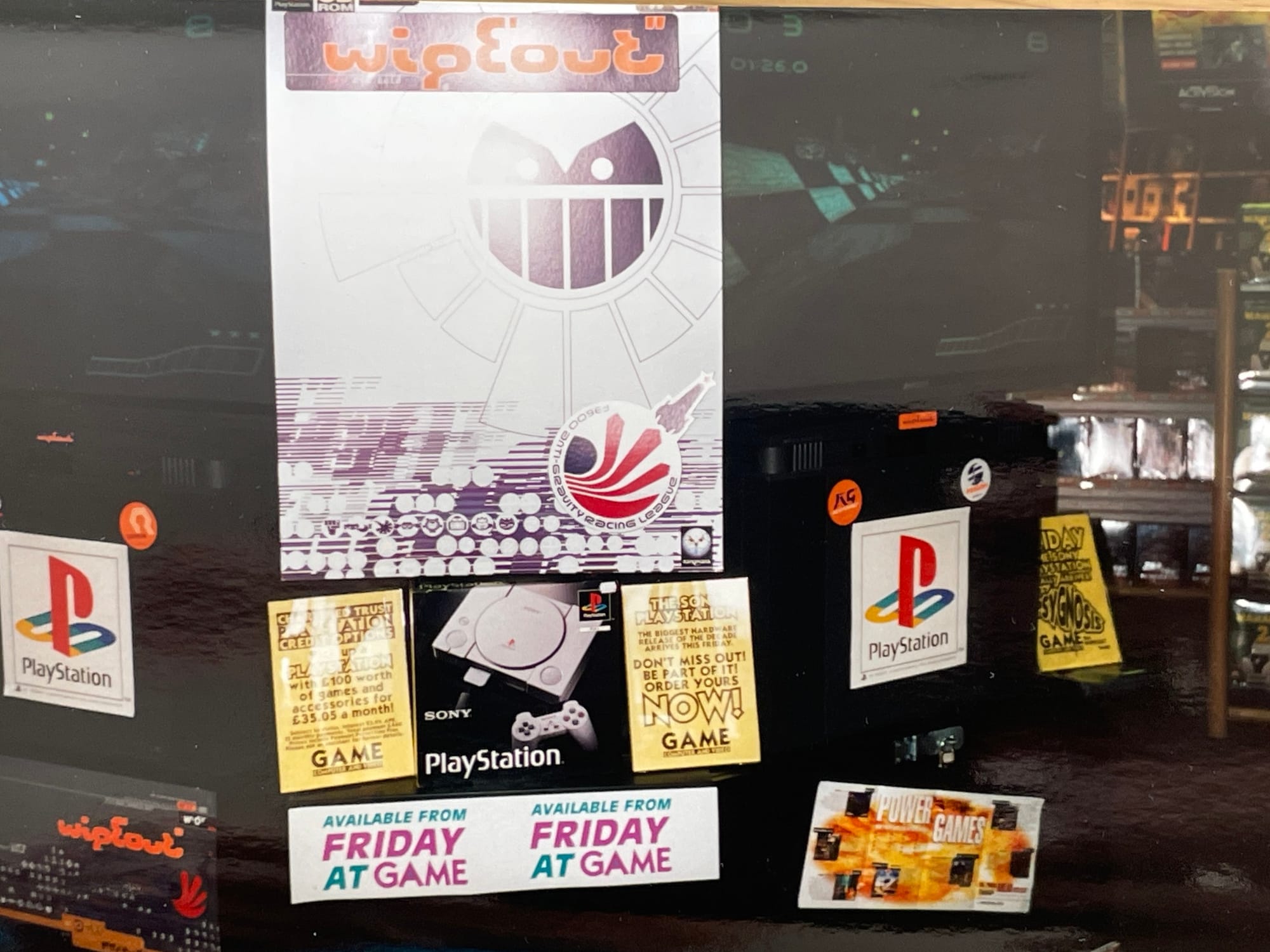
WipEout is one of the best examples of when games grew up. Developed by Liverpool-based Psygnosis and launched on September 29, 1995, first debuting on PlayStation, it was one of the first 3D racers with a licenced soundtrack. Set in a bunch of futuristic cities, you'd control a ship that could collect weapons as well as boost thanks to the speed pads on the tracks. It became one of PlayStation's most defining games, but it's been forgotten in recent times.
A Demo 1 disc introduced me to the series, featuring Wipeout 2097, the game's 1996 sequel. Even at eight years old, I was hooked, and I always bought the next entry. But despite Sony owning the IP, there's been nothing of the series since 2012's WipEout 2048 for the PS Vita.
To mark the game's 31st anniversary, I spoke to Glen O'Connell, Head of PR and Communications at Psygnosis from back in the day, now Director of Commercial Partnerships at Steel City Interactive, to chat about the first WipEout game and more.
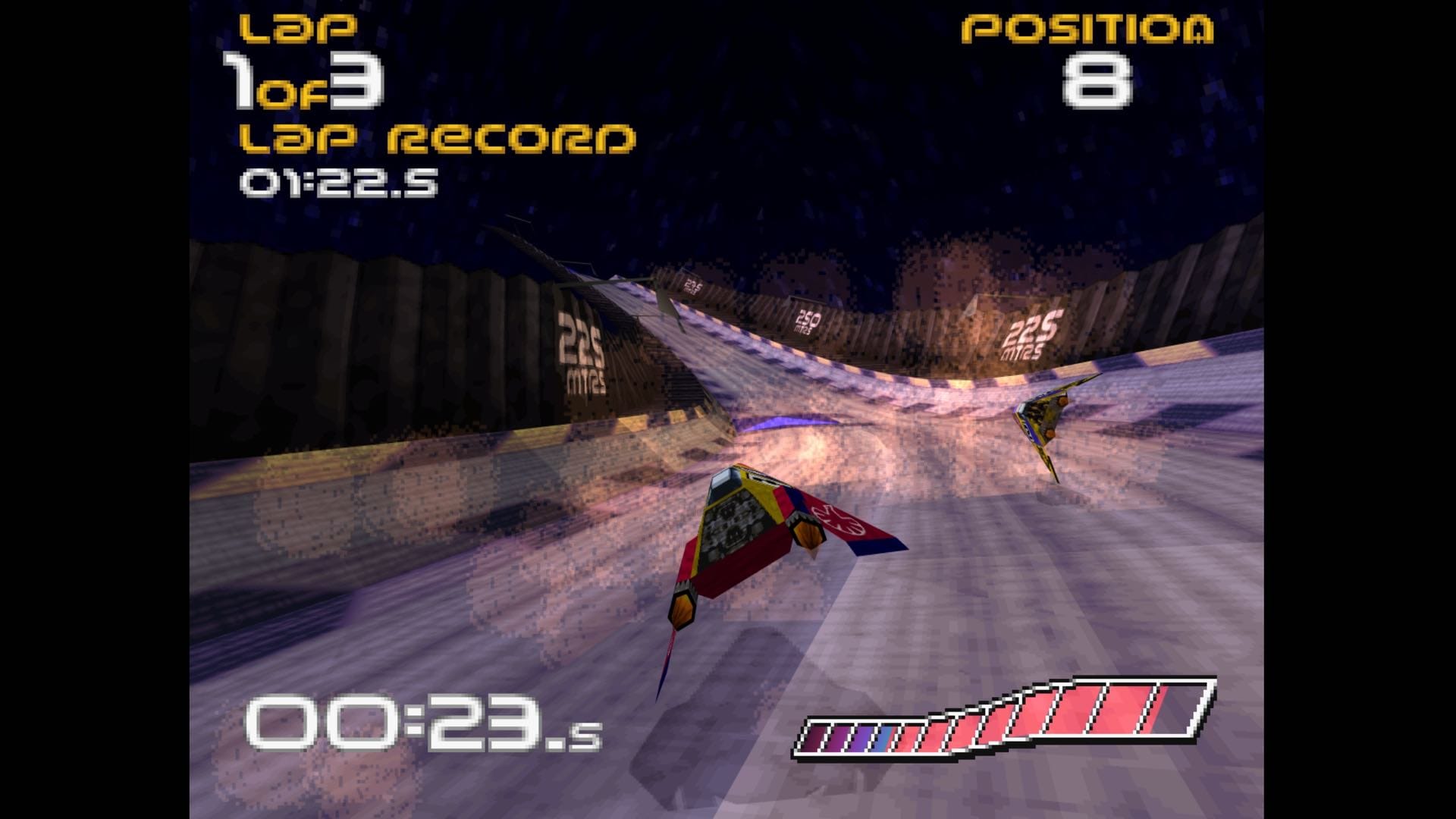
Early days of Psygnosis & WipEout
How did you find yourself working at Psygnosis?
Glen O'Connell: I grew up obsessed with games, first with coin‑op arcades in Liverpool and Southport and tabletop machines like Astro Wars, then the ZX Spectrum, Commodore 64, and Atari ST. In the late ’80s and early ’90s I shifted my interest towards the dance and rave scene and became a music publicist.
After two years in music, I saw a Psygnosis advert looking for people to “test games.” Getting paid to play pre-release games sounded intriguing, so I joined their QA team in early 1993. It was an incredible education in how development and publishing worked. We tested 16‑bit titles on Amiga, Atari ST, Mega Drive, and SNES, games like Lemmings 2, Hired Guns, and Microcosm. After about a year in QA, I moved into PR and Marketing just before PlayStation launched. At the same time, I was writing a weekly games review column for the Liverpool Echo, which meant I was constantly playing other studios’ games, an experience that proved invaluable for understanding both games and media.
Do you remember when you first saw WipEout?
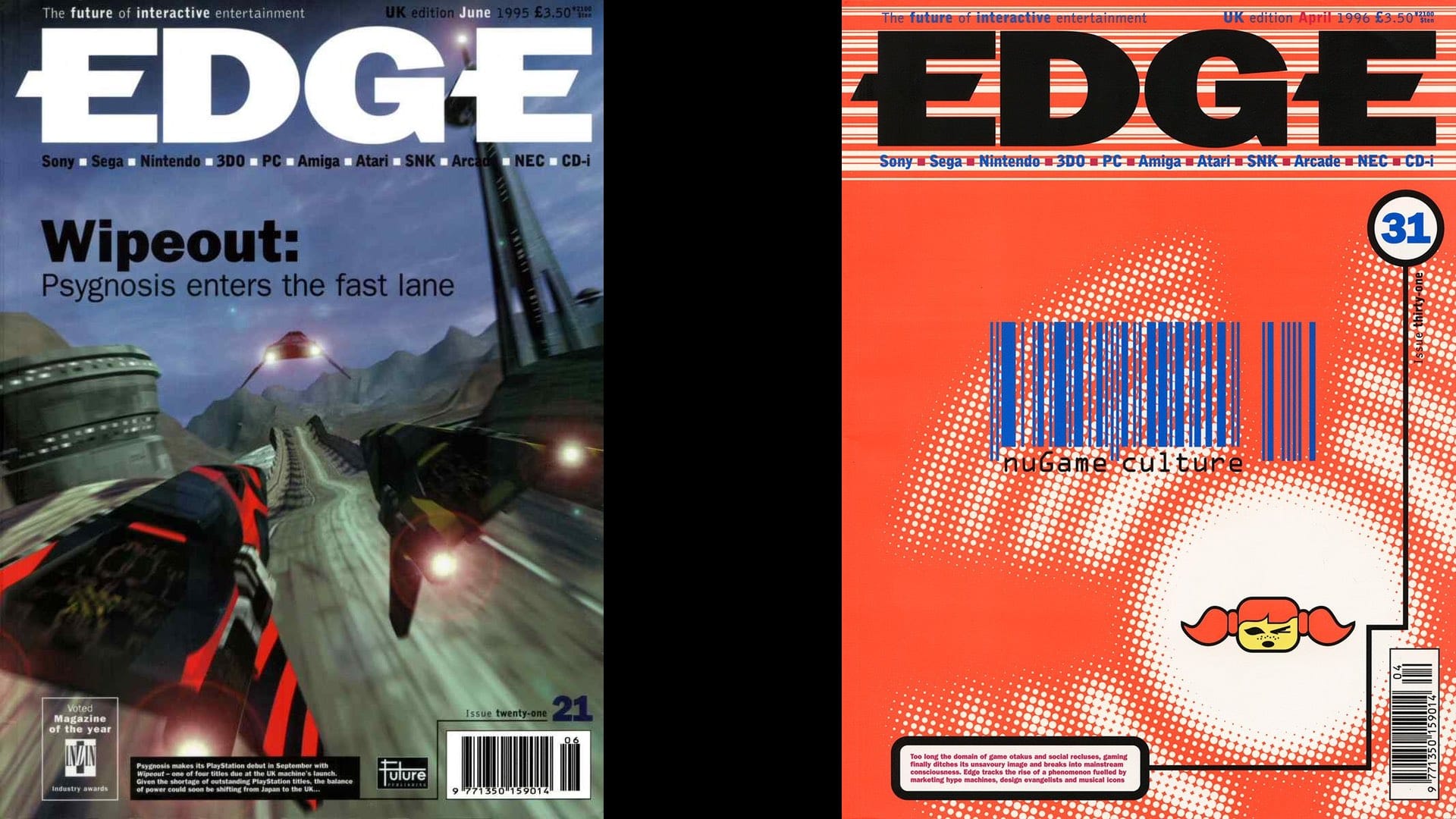
O'Connell: I first encountered WipEout through seeing the concept video our senior artist Jim Bowers created - work that eventually fed into the 1995 Hackers movie. That video helped bring Nick Burcombe’s game design and ideas to life and set the musical tone that became central to the game’s identity. Around a year before launch, we also saw early tech builds, leading to a special reveal we did with EDGE Magazine.
By then we already had Japanese PlayStation consoles in‑house, and I had been blown away by Ridge Racer, so we knew how powerful the hardware could be. From the moment I saw WipEout - and saw the team’s passion - it was clear it had the potential to define Psygnosis in the 32‑bit era just as strongly as we had in the 16‑bit home‑computer days.
A big part of the game, and of PlayStation in the UK, was the rave scene and dance-music licencing - how did that brand identity come to be?
O'Connell: The concept for WipEout grew out of Nick Burcombe’s love of Super Mario Kart and F‑Zero. He’d mute the game audio and play dance music to help increase his lap times, which inspired WipEout’s fusion of high‑speed racing and club culture. The iconic Designers Republic aesthetic came from the team’s passion for their work, giving the game a bold, futuristic identity that stood apart from early PS1 titles and resonated with an older, style‑driven audience.
Every element - music, visuals, attitude - came from genuine enthusiasm. Nothing felt bolted on. WipEout was authentic to the era and to the development team who poured their passion into it.
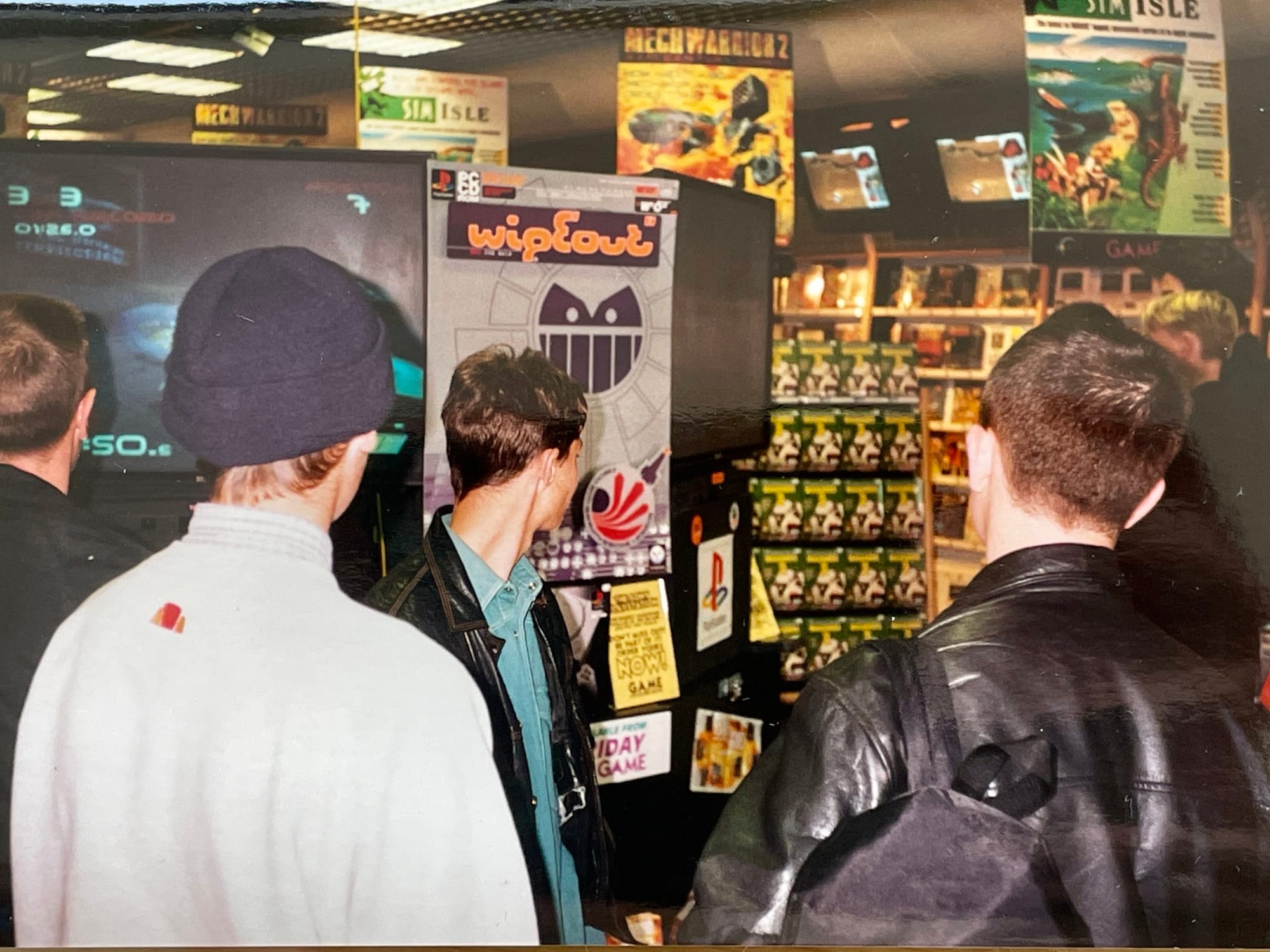
The underground scene for PlayStation was huge back in the day - how did that shape WipEout's marketing?
O'Connell: We built a close relationship with Geoff Glendenning at Sony, who had personally championed the idea that gaming’s future lay with an older, culturally plugged‑in audience, especially those immersed in the club scene. His thinking matched ours at Psygnosis, and it helped push back against the old belief that games were only for kids or “nerds.” Geoff was initially a lone voice inside Sony, but he built a powerful network of influencers, clubs, and festivals that embraced games, and we had titles like WipEout, Destruction Derby, and Formula 1 that fit perfectly.
Our first WipEout campaign was modest, but for WipEout 2097 we went big: a nationwide club tour with Red Bull, visiting well-established clubs like Cream in Liverpool, Sankeys in Manchester, Back2Basics in Leeds, LaKota in Bristol, and Slam in Glasgow. Our club tour had sets from The Chemical Brothers, Judge Jules, Justin Robertson, and Allister Whitehead.
Jason Brookes, former EDGE editor and a huge supporter of the game, came to several of those nights I remember fondly. EDGE Magazine backed WipEout 2097 so strongly they put it on three covers in eight months (issues 31, 33, and 38), something I don’t think any other game has matched. RIP Jason Brookes (first Editor of EDGE), never forgotten.
E3 was a huge event in the 90s - what was it like showcasing Wipeout and other games on behalf of the company there?
O'Connell: E3 was always an incredible show, and I was lucky to attend many throughout the 90s and 2000s with three different game companies. Psygnosis often had its own space separate from the main PlayStation area, which helped us build our own identity and keep a sense of independence. At the time, many inside PlayStation saw Psygnosis as an odd northern outpost while “the grown‑ups” in London handled the big corporate work. It’s funny in hindsight, because Psygnosis, alongside Geoff Glendenning’s cultural marketing, was a major force in putting PlayStation on the map across Europe during launch.
Other hits of Psygnosis
There’s also plenty from Psygnosis that has since gone under the radar - Overboard being a good example - what was it like showcasing these other games after WipEout's release?
O'Connell: Overboard was a well‑received release, as was G‑Police from the same Stroud studio, along with other titles in 1997-98. But for me, the real sweet spot of the PS1 era for Psygnosis was 1995 to early 1997, with WipEout, Destruction Derby, and Formula 1. Those three games dominated so much attention that later titles were sometimes overshadowed.
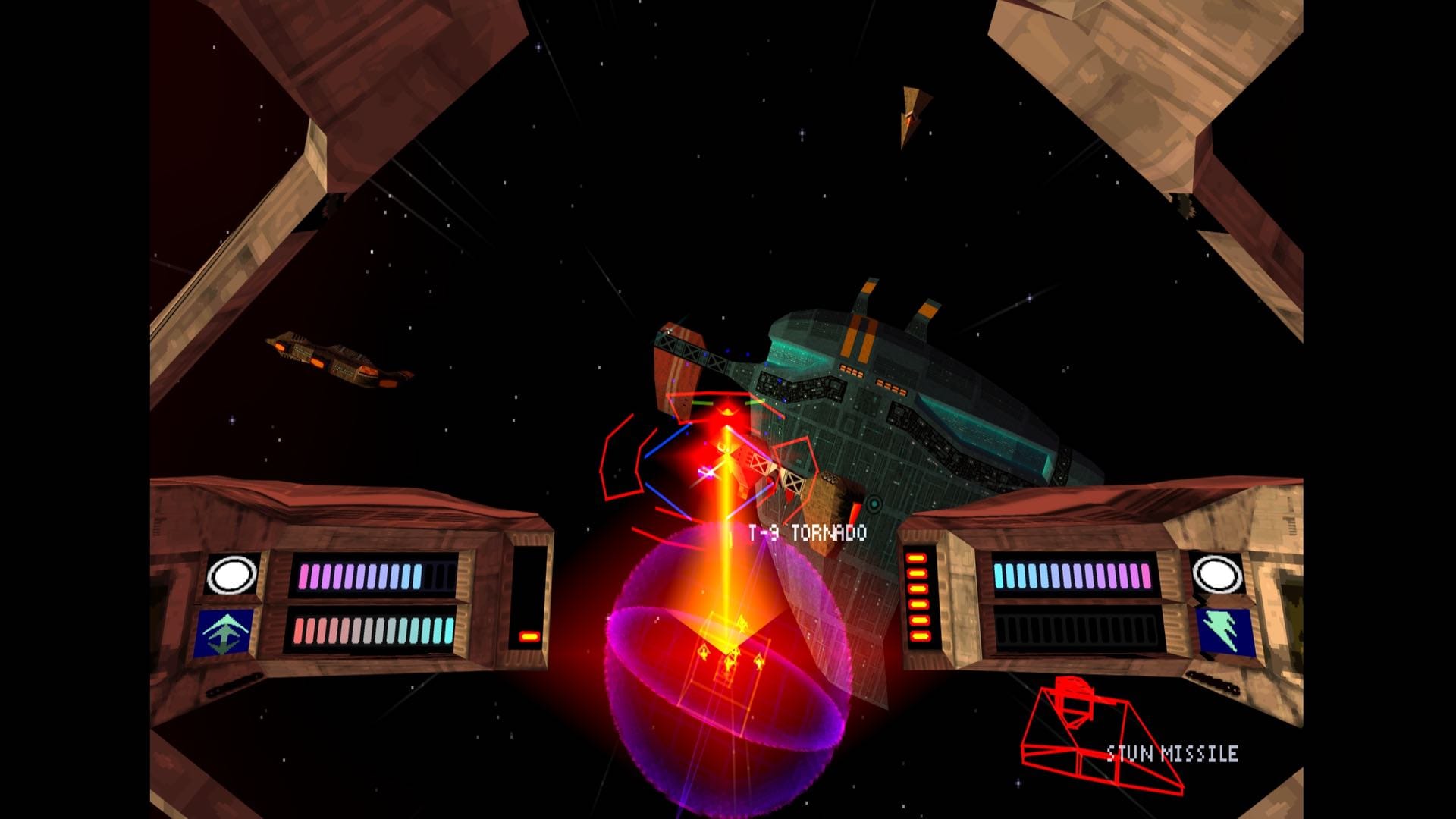
Colony Wars and G-Police seemed like a departure but forward-thinking in many ways - why do you think these games did well initially, but slowly faded away?
O'Connell: Both games were strong and well received by the media, with fairly decent commercial results. But by 1997-1998 the landscape had shifted. Major titles like Final Fantasy VII, Gran Turismo, Tekken 3, Tomb Raider II, Metal Gear Solid, and Resident Evil 2 raised the bar across the industry. By 1998-1999, Psygnosis was operating very differently from the studio that dominated Europe in 1995-1996. The culture had shifted, and many newer hires didn’t fully grasp the creative spirit that once made the label so innovative.
Formula 1 was a game that came with my PlayStation in 1997 - was there a challenge in marketing something so mainstream compared to the fresh-faced look of WipEout at the time?
O'Connell: The Formula 1 series by Bizarre Creations, especially F1 ’97, remains one of the finest F1 games ever made in my view. I loved working with the studio; they felt like family and had been part of the Psygnosis journey for years. Their early builds were astonishing in detail, and in many ways we helped show companies like EA Sports how to blend authentic broadcast‑style presentation with real commentary to create a true TV‑quality sports experience. Our marketing mirrored that ambition.
We were deeply integrated into F1 race weekends, with drivers and teams supporting promotions that resonated with fans. The result was a game that felt accessible, exciting, and far more inviting than the niche simulations that came before it.
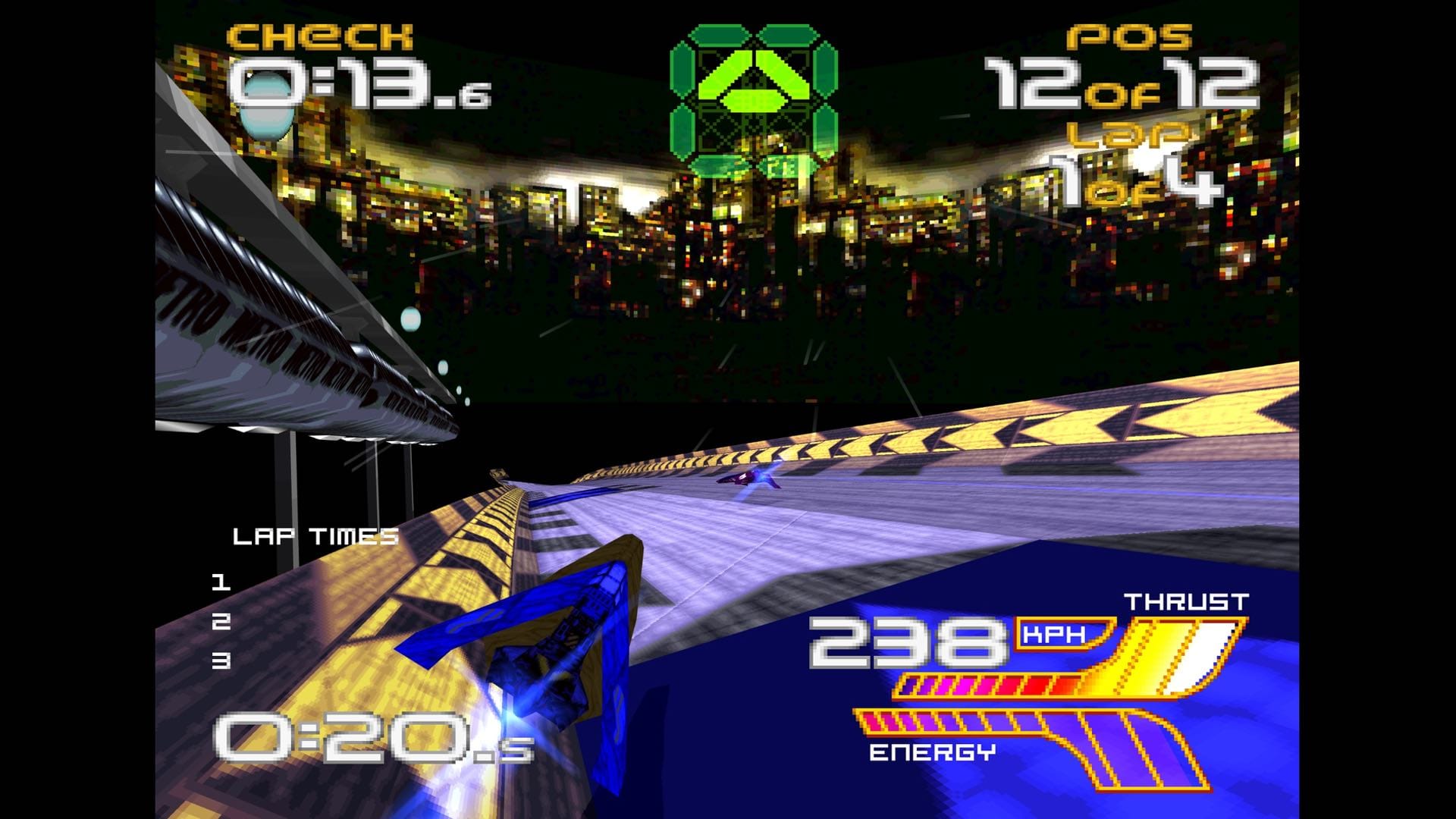
I remember first playing WipEout 2097 on a demo disc - what are your thoughts on showcasing the game and others via this format?
O'Connell: My role in PR was mainly securing magazine coverage and access to demo discs, while the development team chose what to showcase. Demo discs were hugely influential back then. Magazines like OPM sold hundreds of thousands of copies a month, becoming one of the world’s best‑selling games magazines, and those discs were a major driver of that success.
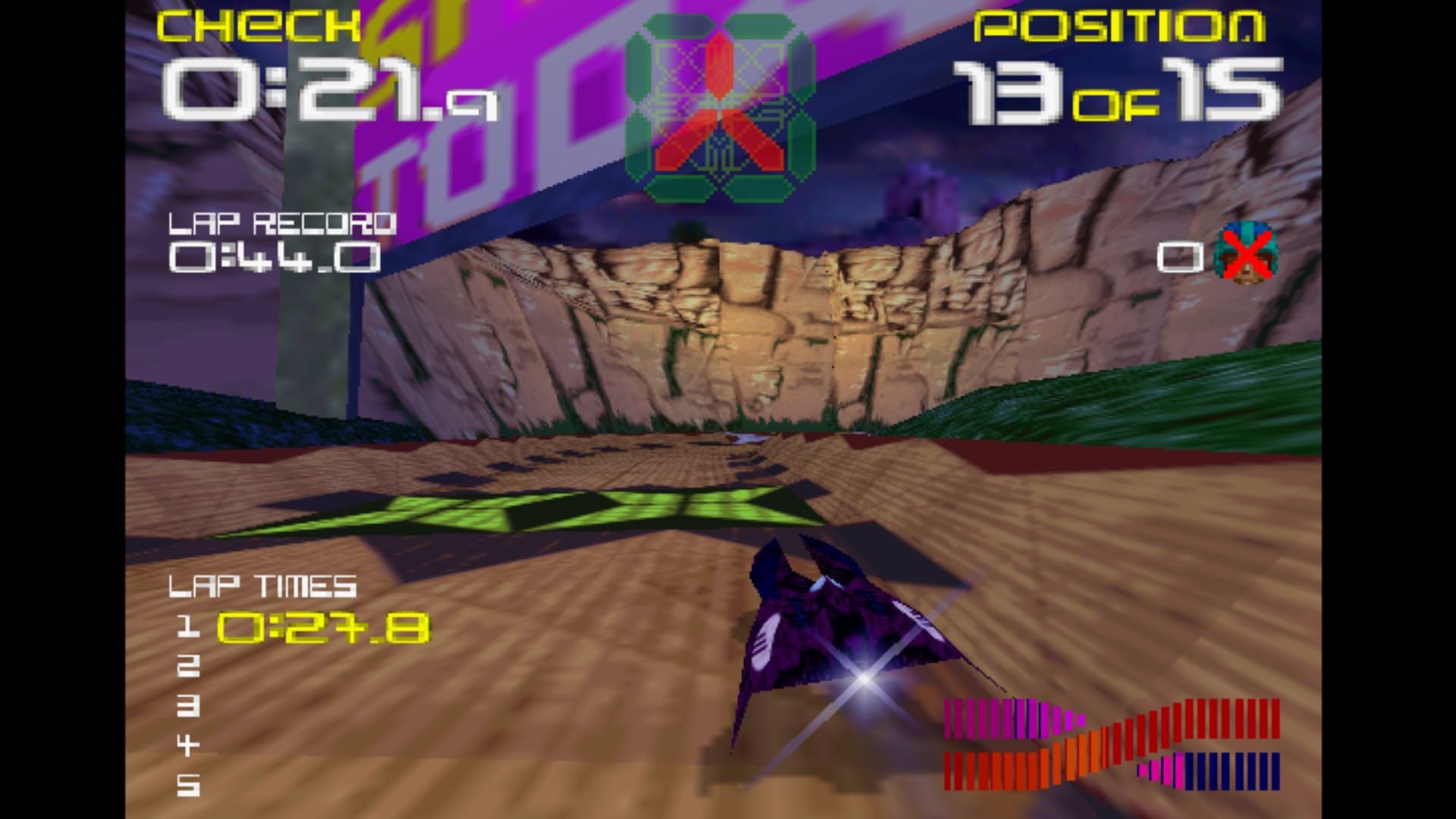
WipEout 64 is an enigma - do you recall when you were told that WipEout was coming to the N64? You’ve mentioned elsewhere how it caused slight tensions with Sony - how so?
O'Connell: I’d seen very little of WipEout 64 before its 1998 trade‑show unveiling. It had a very short development cycle, and with the franchise’s direction unclear after 2097, we were exploring all sorts of ideas, including a coin‑op arcade version using high‑end PC 3D cards. At E3 1998, WipEout 64 was shown prominently on our booth, which caused friction when Sony executives visited and realised we were showcasing a game on a platform they viewed as a major rival.
Saturn hadn’t bothered them earlier, but by 1998 Sony was focused on protecting the PlayStation brand ahead of PS2, and some saw WipEout 64 as maybe undermining that effort. What followed a year later: the dissolution of the Psygnosis publishing label, the rebranding to Sony Studio Liverpool, and the end of its N64 work.
A third WipEout
Wip3out came out around the time you decided to move on. Do you recall seeing early versions of Wip3out before you left?
O'Connell: I did a small amount of work on Wip3out before I left, after a new internal studio took over the series. They did introduce some fresh ideas, including having DJ Sasha curate the entire soundtrack, which was a highlight for me as a long‑time fan of his. The game was reviewed well, and the team’s new features were broadly well received.
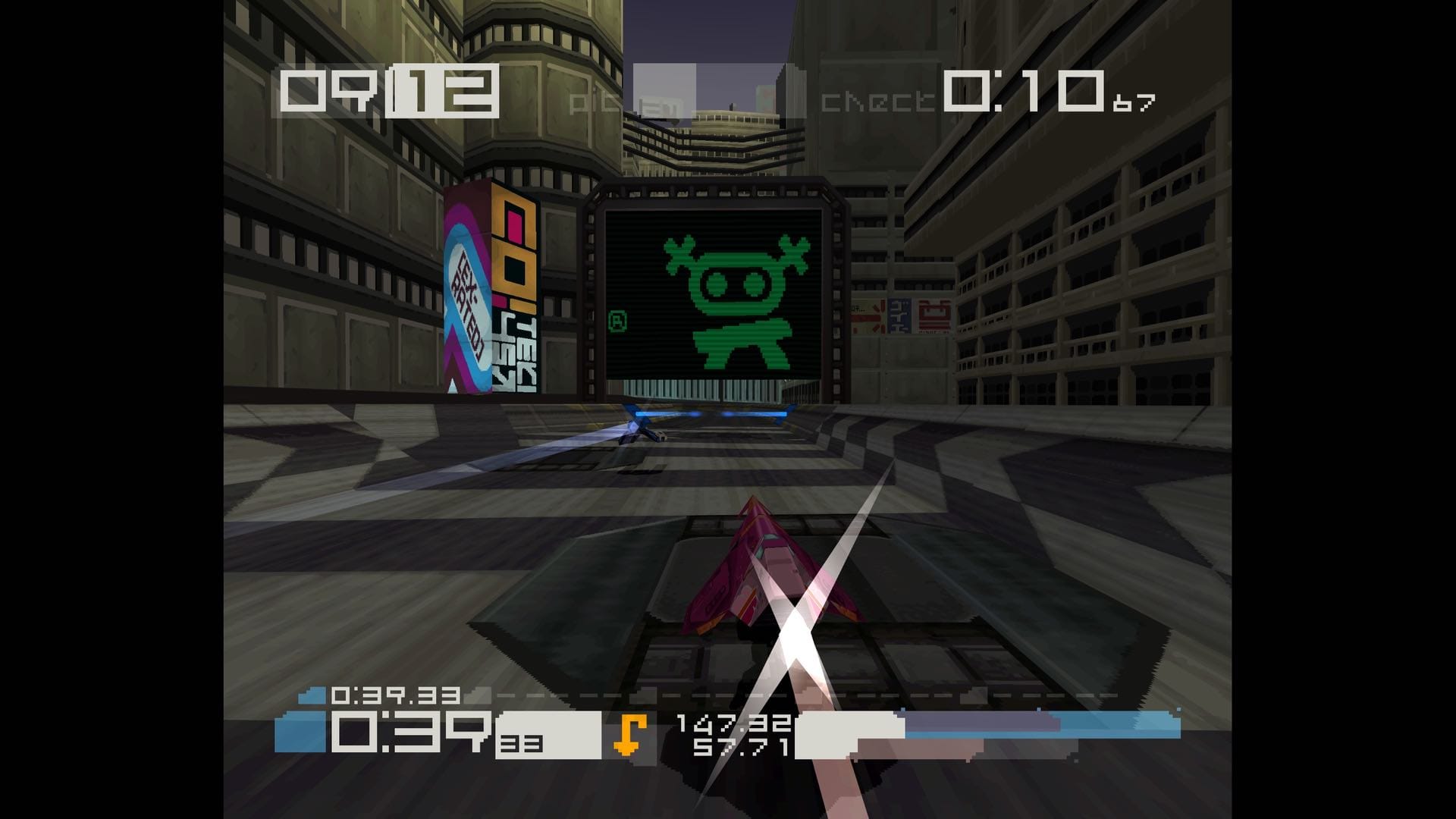
What are your thoughts on Wip3out, looking back?
O'Connell: I guess unlike the original titles, Wip3out didn’t push the series forward enough, and while it’s still viewed positively, its lower‑than‑expected commercial performance reflected that. Later entries on newer platforms faced the same challenge.
The move from PS1 to PS2 felt seismic to both developers and players in what was now possible from 2000 onwards. What was the mood inside Psygnosis as that shift approached from 1998?
O'Connell: The essence of Psygnosis began to shift in 1998 as the PS2 era approached. The studio was gradually absorbed into the wider Sony structure, losing its distinct identity and becoming one of several satellite teams. That change led to the breakup of many original groups, though many went on to succeed elsewhere. Studio Liverpool carried on for years and produced more WipEout titles before closing in 2012.
My hope in 2026 is that the Psygnosis name returns one day, not just to revive old franchises, though some would be wonderful to reimagine, but to restore its spirit of creativity, innovation, ambition, and boundary‑pushing ideas. Today’s indie‑development resurgence echoes that ethos, and the industry still has room for the Psygnosis spirit to flourish again.
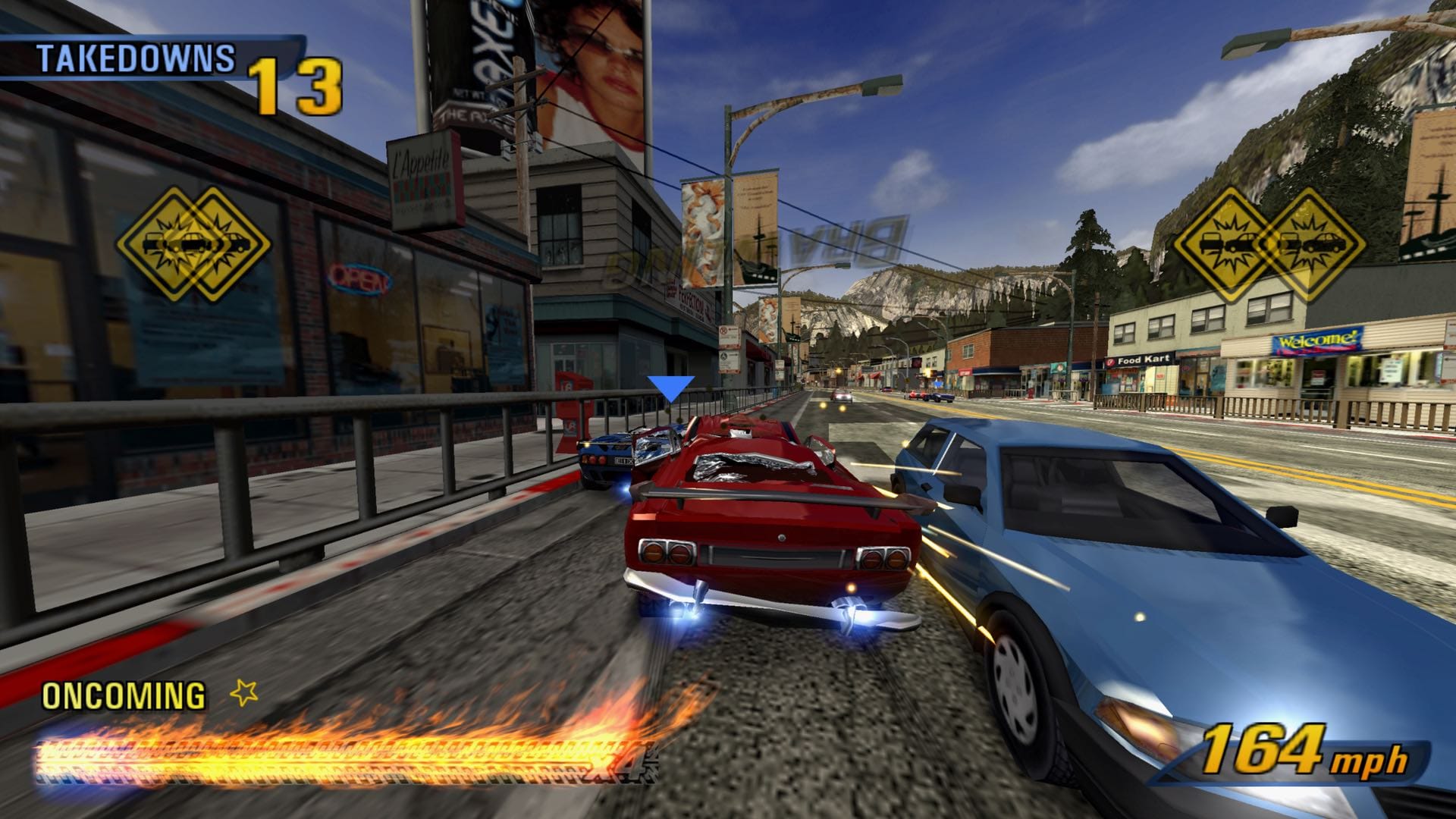
There’s a faint parallel between Destruction Derby 2 and Burnout 3: Takedown - games whose PR you handled. What was it like to take what you had learnt from that period, as well as WipEout, and apply it to a game like Burnout 3, especially with EA behind it next time?
O'Connell: Racing games were always a favourite of mine, so working on Burnout 3 early in my EA days felt special. Criterion was an incredibly talented team, and with the series moving from Acclaim and EA’s success with Need for Speed, we were determined to grow the genre. Burnout 3 was a joy to promote and remains one of the highest‑rated games I worked on. It launched at No.1 in the UK charts, sold strongly across Europe, and helped set the tone for what EA’s other studios would go on to build.
Where is WipEout, 31 years later?
WipEout is, unfortunately, a distant memory in 2026. What would you love to see from the series if it were to come back? A new entry? A remastered collection of the first two games?
O'Connell: There have been a few attempts to revive WipEout in recent years, but none have taken hold. Seeing the teams appear in Astro Bot was a nice nod, yet it’s still sad that a franchise so important to so many remains dormant. What feels most exciting and still an opportunity isn’t just reviving the original game, but reviving the essence of WipEout: modern creativity, technical excellence, bold ideas, and boundary‑pushing style.
The franchise could even expand laterally into TV, film, or animation, where its teams, racers, iconography, and music could shine. The appetite is still there, and I hope one day WipEout returns in a form worthy of its legacy.
You mentioned how demo discs helped to make OPM one of the best-selling magazines at the time. With Sony ending production of new physical discs in 2028, do you think something’s getting lost in how new players discover games compared to the 90s?
O'Connell: Personally, I feel a bit sad that physical discs are being phased out. I acknowledge trends have changed, and the proportion of people downloading digitally has grown exponentially in recent years. However, like music, books, or any creative art, having the chance to hold a physical thing remains part of the emotional journey to me.
You only have to look at the boom in vinyl sales right now, especially within the 16-24 demographic who have grown up with Spotify, YouTube, Apple Music, and more, or the continued growth of Retro revivals with things like the Evercade. There will always be an audience who craves something physical as opposed to it being a ‘digital licence’ where you never truly own the item - merely acquire a licence - and I anticipate somewhere down the line you will see physical return in some capacity.
If you could go back to one moment at Psygnosis - perhaps WipEout’s launch in 1995, or a club night, what would it be, and why?
O'Connell: There are so many to choose from, whether that be the first time I walked into the Psygnosis warehouse and stared up at hundreds and hundreds of Amiga and Atari ST game boxes being packed to ship off to retailers; or when I first saw the original PlayStation dinosaur demo on the early PSX dev kit; or when I got hold of a Japanese PlayStation for the very first time and got to see how powerful the final machine truly was.
But for me, it is probably the PS1 launch day when we took some of the studio team down to local retailers and let people sample WipEout for the very first time. It was an incredible experience and one I will never forget. A small company from Liverpool was truly placed at the heart of the European console launch, and we stood proudly on top of the gaming world for at least the next two years.
My thanks to Glen for taking the time to chat with me.